The Quran
The Quran, often spelled as “Koran,” is the holy book of Islam and is considered by Muslims to be the word of Allah (God) as revealed to the Prophet Muhammad through the Angel Gabriel. It is the central religious text of Islam and serves as a guide for the beliefs, practices, and way of life of Muslims. The Quran is written in Arabic and is divided into chapters called “Surahs,” which are further divided into verses known as “Ayat.”
The Quran covers a wide range of topics, including theology, morality, guidance for personal conduct, and legal principles. It is considered the ultimate source of authority for Muslims and is revered for its eloquent language and profound spiritual and ethical teachings.
Muslims believe that the Quran is a timeless and unaltered revelation, and it holds a central place in their daily lives. It is recited, memorized, and studied by Muslims around the world, and its verses are often used in daily prayers and various religious and spiritual rituals.
The Quran is written in classical Arabic and is considered a masterpiece of literature and a source of inspiration for Muslims and people of other faiths. It is highly respected in the Islamic tradition, and translations into various languages exist to make its teachings accessible to a wider audience.
“Quran” Word
The word “Quran” (also spelled as “Koran”) is the Arabic term for the holy book of Islam. It is often translated as “recitation” or “the recitation” in English. The Quran is considered by Muslims to be the literal word of Allah (God) as revealed to the Prophet Muhammad through the Angel Gabriel.
The term “Quran” is derived from the Arabic root word “q-r-‘,” which means “to recite” or “to read aloud.” It reflects the oral and auditory nature of the Quran’s revelation, as it was initially conveyed through recitation and memorization.
The Quran is central to Islamic faith and practice, and its recitation and memorization play a crucial role in the lives of Muslims. The Quran’s verses are often recited in prayers and religious rituals, and many Muslims aim to memorize the entire text or significant portions of it. The Quran is considered the ultimate source of guidance for Muslims in matters of faith, morality, and conduct.
Quran Holy Book (Book of Allah)
Indeed, the Quran is often referred to as the “Holy Book” and “Book of Allah” in the Islamic tradition. These titles emphasize its sacred and divine nature, signifying that it is the word of Allah (God) and holds a special place in the hearts and lives of Muslims. The Quran is considered the most sacred and revered text in Islam, and it is regarded as the ultimate source of guidance, wisdom, and law for Muslims. Its status as the “Holy Book” underscores its importance as the central religious scripture for the Islamic faith.
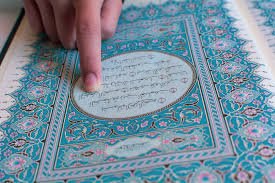
Reading and Recitation
Reading and recitation play a fundamental role in the practice and appreciation of the Quran in Islam:
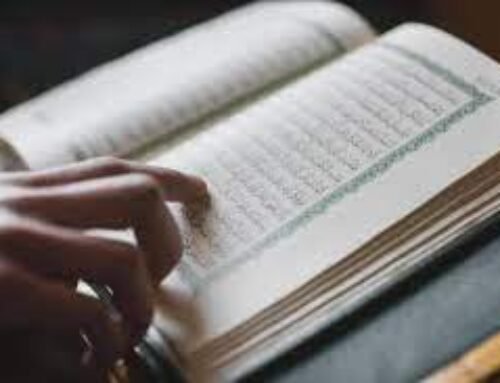
- Reading the Quran: Muslims are encouraged to read the Quran regularly, and many make it a daily practice. Reading the Quran helps them gain knowledge, reflect on its teachings, and strengthen their connection with Allah. Reading the Quran is often done privately or in a group, and it is considered an act of worship.
- Recitation of the Quran: Recitation involves not just reading but also orally pronouncing the Quranic verses. It is particularly important when performing acts of worship, such as the five daily prayers. In these prayers, Muslims recite specific verses or chapters from the Quran. The melodious and precise recitation of the Quran is highly valued, and individuals who have mastered the art of Quranic recitation are often highly respected in Islamic communities.
- Memorization (Hifz): Memorizing the Quran is a significant accomplishment for many Muslims. Those who have memorized the entire Quran are given the honorary title of “Hafiz” (male) or “Hafiza” (female). Memorization is particularly important in the lives of young Muslims, and they often attend special Quran memorization schools to achieve this goal.
- Tajweed: Tajweed is the science of correct pronunciation and recitation of the Quran. It involves proper articulation of letters, rules for elongation and pauses, and other phonetic and linguistic aspects of Quranic recitation. Tajweed is essential for those who wish to recite the Quran with accuracy and beauty.
- Quranic Reading Competitions: In many Muslim-majority countries, Quranic reading and recitation competitions are held, and participants are judged based on their accuracy, pronunciation, and the beauty of their recitation. These competitions help promote the art of Quranic recitation and memorization.
- Community and Family Gatherings: Muslims often come together in their communities and families to read or recite the Quran. This is a common practice during the holy month of Ramadan, when many Muslims aim to complete the reading of the entire Quran over the course of the month.
Overall, reading and recitation of the Quran are central to the lives of Muslims. They are not only acts of worship but also ways to connect with the divine, seek guidance, and find spiritual solace. The beauty of Quranic recitation is highly regarded in the Islamic tradition, and it holds a special place in the hearts of Muslims.