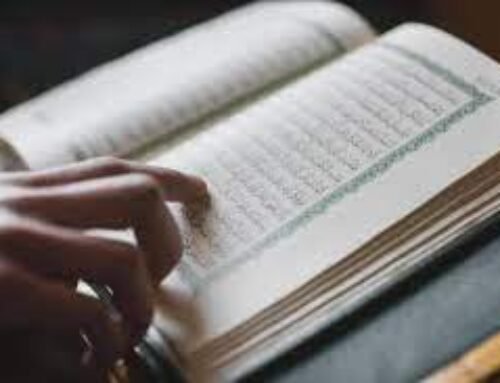
Tajweed?
Tajweed is the set of rules and guidelines for proper pronunciation and recitation of the Quran, the holy book of Islam. It is an essential aspect of Quranic study for Muslims, as it ensures that the words and verses of the Quran are recited accurately and with the correct intonation and pronunciation. The word “Tajweed” is derived from the Arabic root “j-w-d,” which means to make something excellent or to improve it.
Tajweed covers various aspects of Quranic recitation, including:
- Correct Pronunciation: Tajweed teaches the correct pronunciation of Arabic letters and sounds, as even a slight mispronunciation can change the meaning of a word in Arabic.
- Proper Letter Articulation: It focuses on the precise articulation of Arabic letters and their characteristics, such as the manner of pronunciation (e.g., voiced or voiceless), the point of articulation (e.g., from the throat, tongue, or lips), and how to differentiate between similar sounds.
- Rulings on Letters: Tajweed provides specific rules for handling certain letters, such as the rules for elongating or pronouncing certain letters with characteristics like “ghunnah” (nasalization) or “idgham” (assimilation).
- Rules for Stops and Pauses: It covers the appropriate places to pause and stop when reciting the Quran, which are marked by different symbols and signs.
- Correct Intonation (Makhaarij and Sifaat): Tajweed addresses the proper intonation and qualities (Sifaat) of Quranic sounds. This includes the characteristics of each sound, such as heaviness, lightness, and their articulation points.
- Rules for Stress and Length: Tajweed teaches how to stress and elongate certain words, syllables, and letters according to specific rules, as this can impact the meaning and rhythm of the recitation.
- Etiquette and Manners: It also emphasizes the etiquette and manners of reciting the Quran with respect, humility, and presence of heart.
Learning Tajweed is considered a noble endeavor among Muslims, and it is especially important for those who want to recite the Quran in a melodious and correct manner. Many Islamic educational institutions offer Tajweed courses to help individuals learn and master these rules. Tajweed can significantly enhance one’s recitation of the Quran, making it more beautiful, accurate, and meaningful.
Roots of Tajweed
The roots of Tajweed can be traced back to the early days of Islam when the Quran was first revealed to the Prophet Muhammad (peace be upon him) in the 7th century. Tajweed is rooted in the following aspects of Islamic history and tradition:
- Quranic Revelation: Tajweed is fundamentally tied to the correct recitation of the Quran. The Quran was revealed in the Arabic language, and its pronunciation, as well as the rules governing its recitation, were important from the very beginning. The Prophet Muhammad (peace be upon him) received the Quranic revelations over a period of 23 years and conveyed them to his companions, ensuring that they learned and recited it accurately.
- Oral Tradition: In the early days of Islam, the Quran was primarily transmitted orally. This oral tradition emphasized the precise pronunciation and recitation of the Quranic verses, with the companions of the Prophet Muhammad (peace be upon him) taking great care to learn and pass down the correct pronunciation and recitation.
- Quranic Exegesis (Tafsir): Early Islamic scholars and companions of the Prophet Muhammad (peace be upon him) also played a significant role in explaining the meanings and pronunciation of the Quranic verses. They provided commentary and guidance on the correct recitation and pronunciation of the Quran.
- Scholarly Development: Over time, Islamic scholars and linguists developed more systematic rules and guidelines for the proper recitation of the Quran. These rules and principles were based on their understanding of the Arabic language, the Quran, and the oral traditions of the companions of the Prophet.
- Formalization of Tajweed: Tajweed as a formal science and set of rules began to be documented and studied more systematically in the later centuries of Islamic history. Scholars like Imam Al-Khalil ibn Ahmad (d. 786) and Imam Al-Jazari (d. 1429) made significant contributions to the development of Tajweed. They codified the rules, identified different Quranic sounds, and established a framework for the correct recitation of the Quran.
Today, Tajweed remains an important discipline in Islamic education and Quranic recitation. Muslims around the world study Tajweed to ensure that they recite the Quran with accuracy, beauty, and reverence. It is considered a means of connecting with the divine message and preserving the purity of the Quranic text. Tajweed is not only a reflection of linguistic accuracy but also a spiritual and religious practice for Muslims.
Different Letters & Sounds In The Arabic Alphabet
The Arabic alphabet consists of 28 letters, each with its own unique shape and sound. Arabic is written from right to left. Here is a list of the Arabic letters along with their phonetic transliterations and basic sounds:
- أ (Alif) – It has no specific sound of its own but can take on the long vowel sounds “a,” “i,” or “u” based on diacritics.
- ب (Ba) – Pronounced like the English “b.”
- ت (Ta) – Pronounced like the English “t.”
- ث (Tha) – Pronounced like the English “th” as in “this.”
- ج (Jeem) – Pronounced like the English “j.”
- ح (Haa) – A voiced guttural sound, unique to Arabic.
- خ (Khaa) – A voiceless guttural sound, also unique to Arabic.
- د (Dal) – Pronounced like the English “d.”
- ذ (Thal) – Pronounced like the English “th” as in “this,” with a different sound than “ث.”
- ر (Ra) – Pronounced like the English “r.”
- ز (Za) – Pronounced like the English “z.”
- س (Seen) – Pronounced like the English “s.”
- ش (Sheen) – Pronounced like the English “sh.”
- ص (Saad) – A voiceless emphatic “s” sound, unique to Arabic.
- ض (Daad) – A voiced emphatic “d” sound, also unique to Arabic.
- ط (Ta) – A voiceless emphatic “t” sound, unique to Arabic.
- ظ (Za) – A voiced emphatic “z” sound, also unique to Arabic.
- ع (Ain) – A guttural sound made deep in the throat, unique to Arabic.
- غ (Ghain) – A voiced guttural sound, also unique to Arabic.
- ف (Fa) – Pronounced like the English “f.”
- ق (Qaaf) – Pronounced like a deep “k” sound, unique to Arabic.
- ك (Kaf) – Pronounced like the English “k.”
- ل (Laam) – Pronounced like the English “l.”
- م (Meem) – Pronounced like the English “m.”
- ن (Noon) – Pronounced like the English “n.”
- ه (Ha) – Pronounced like the English “h.”
- و (Waw) – Pronounced like the English “w” and used for the sound “w.”
- ي (Ya) – Pronounced like the English “y” and used for the sound “y.”
It’s important to note that Arabic letters can change their shapes based on their position within a word, which is a characteristic feature of Arabic script. Additionally, some letters have diacritic marks (short vowels and other symbols) that affect their pronunciation. The correct pronunciation of Arabic letters and words is crucial for understanding and reciting the Quran and for clear communication in the Arabic language.
Importance in Learning Tajweed
Learning Tajweed is of great importance in the Islamic tradition for several reasons:
- Preservation of the Quran: Tajweed ensures the accurate and precise recitation of the Quran. This is vital for preserving the integrity of the Quranic text, as even a slight mispronunciation can change the meaning of a word or verse. Tajweed helps safeguard the Quran from errors in recitation.
- Spiritual Connection: Proper Tajweed enhances the spiritual experience of reciting the Quran. Muslims believe that reciting the Quran with Tajweed helps them connect more deeply with the divine message. It is a means of achieving tranquility and mindfulness during recitation.
- Respect for the Quran: Learning Tajweed reflects a profound respect and reverence for the Quran. Muslims hold the Quran in the highest regard, and reciting it with proper Tajweed is a way of demonstrating this respect.
- Effective Communication: Tajweed is essential for clear and effective communication of the Quranic message. When the Quran is recited with Tajweed, it becomes more melodious, easier to understand, and more appealing to the listener.
- Preservation of Oral Tradition: Tajweed has been passed down through generations as part of the oral tradition of Quranic recitation. By learning and teaching Tajweed, Muslims continue to preserve this valuable tradition.
- Learning Arabic Pronunciation: Learning Tajweed also helps individuals improve their Arabic pronunciation skills, as it involves precise articulation of Arabic letters and sounds. This can be beneficial for those studying the Arabic language.
- Educational and Religious Requirement: Many Islamic educational institutions and madrasas incorporate Tajweed into their curriculum. It is often a requirement for anyone seeking to become a qualified Quranic reciter (Qari) or a Quranic teacher.
- Fulfilling Obligations: Muslims are encouraged to recite the Quran in their daily lives, particularly during daily prayers (Salat). Proper Tajweed is important in fulfilling this religious obligation.
- Enhancing Personal Worship: Learning Tajweed can lead to a more fulfilling and spiritually enriching worship experience. It allows individuals to approach the Quran with greater humility, concentration, and devotion.
- Promoting Unity: Tajweed is a unifying factor among Muslims worldwide. It establishes a common standard for Quranic recitation, transcending linguistic and regional differences.
In summary, Tajweed is not just about correct pronunciation; it is a means of enhancing one’s relationship with the Quran and deepening their understanding of the sacred text. It plays a vital role in the life of a practicing Muslim and is considered a noble and spiritually enriching endeavor.
Words
Words are the basic units of language and communication. They are combinations of letters or sounds that carry meaning and allow people to convey thoughts, ideas, and emotions. Words are fundamental to human language and serve as building blocks for sentences, paragraphs, and written or spoken communication.
Here are some key characteristics and aspects of words:
- Meaning: Words have specific meanings associated with them. They represent concepts, objects, actions, emotions, or abstract ideas. The meaning of a word can be concrete (e.g., “cat,” “book”) or abstract (e.g., “love,” “freedom”).
- Structure: Words are formed from a combination of letters or phonemes, which are the smallest distinctive sound units in a language. The structure of words can vary from language to language, and different languages have different phonological rules.
- Function: Words have various functions in language. They can be nouns (e.g., “table”), verbs (e.g., “run”), adjectives (e.g., “red”), adverbs (e.g., “quickly”), pronouns (e.g., “he,” “she”), conjunctions (e.g., “and,” “but”), and more.
- Grammar: Words are governed by the grammatical rules of a language. These rules determine how words can be combined to create sentences and convey meaning.
- Lexicon: A lexicon is a mental or written dictionary of words in a language. It includes the meaning, pronunciation, and usage of words. Building a rich lexicon is an essential part of language acquisition and vocabulary development.
- Semantics: Semantics is the study of meaning in language. It explores how words and phrases convey meaning and how the meanings of words can change in different contexts.
- Etymology: Etymology is the study of the origin and history of words. It traces the development of words over time, including their roots, historical usage, and how they have evolved in different languages.
- Diversity: Languages around the world vary in terms of the number of words they contain, their pronunciation, and their grammatical structures. Some languages have a vast vocabulary, while others have a more limited one.
- Neologisms: Neologisms are newly coined words or phrases that enter a language to represent new concepts or ideas. They reflect the evolving nature of languages and the adaptation of language to changing circumstances.
- Communication: Words are essential for effective communication. They enable people to express thoughts, share information, tell stories, ask questions, and engage in meaningful dialogue.
In summary, words are the building blocks of language and are integral to human communication. They have meaning, structure, and function, and they play a crucial role in conveying ideas and emotions in written and spoken language. The study of words is a fundamental aspect of linguistics and language-related fields.