Quran in Ramadan
The Quran holds special significance during the month of Ramadan for Muslims. Ramadan is the ninth month of the Islamic lunar calendar and is considered the holiest month for Muslims. It is a time of fasting, prayer, reflection, and increased devotion to Allah.
During Ramadan, Muslims are required to fast from dawn (Fajr) until sunset (Maghrib), abstaining from food, drink, and other physical needs. One of the key aspects of Ramadan is the recitation and contemplation of the Quran. Here’s how the Quran is related to Ramadan:
- Increased Quran Recitation: Muslims are encouraged to read and recite the Quran more frequently during Ramadan. Many aim to complete the entire Quran during this month, often by reciting one-thirtieth (or one juz’) of the Quran each day. Some even participate in nightly congregational recitation at the mosque.
- Nightly Taraweeh Prayers: During Ramadan, special nightly prayers known as Taraweeh are held in the mosque. These prayers involve the recitation of the Quran, with the goal of completing the Quran during the month. Many Muslims attend these congregational prayers to listen to the Quran being recited.
- Quranic Reflection: Ramadan is a time for Muslims to reflect on the teachings and guidance of the Quran. Believers are encouraged to ponder the meanings of the verses, seek a deeper understanding of the Quran, and strive to implement its teachings in their daily lives.
- Spiritual Growth: Fasting during Ramadan is not just about abstaining from food and drink, but also from negative behaviors and thoughts. It is a time for spiritual growth and self-discipline. The Quran serves as a source of inspiration and guidance to help individuals strengthen their faith and character.
- Laylat al-Qadr: The last ten nights of Ramadan are considered especially significant, and one of these nights is believed to be Laylat al-Qadr (the Night of Decree), a night when the Quran was first revealed to the Prophet Muhammad. Muslims engage in extra prayers, supplication, and Quran recitation during these nights, seeking Allah’s blessings and forgiveness.
In summary, the Quran plays a central role in the life of Muslims during the month of Ramadan. It is a time for increased devotion, reflection, and spiritual growth, with a particular focus on the recitation and study of the Quran to strengthen one’s relationship with Allah and to draw closer to the teachings of Islam.
importance Of Reading Quran In Ramadan
Reading the Quran during Ramadan holds immense importance in the lives of Muslims. This holy month is not only a time of fasting and self-discipline but also a period of spiritual reflection and heightened devotion. Muslims believe that Ramadan is the month in which the Quran was first revealed, and, as such, reading and reciting its verses allows believers to connect with this sacred history and draw closer to Allah. The Quran serves as a source of spiritual nourishment, offering guidance on various aspects of life, ethics, and morality. It is during Ramadan that Muslims engage in additional acts of worship, including Taraweeh prayers and supplication, further emphasizing the central role of the Quran in seeking Allah’s blessings and guidance. The practice is also believed to carry increased spiritual rewards during this month, making it a time for self-improvement, seeking forgiveness, and growing in faith. In essence, reading the Quran during Ramadan is a means to enhance one’s spirituality, strengthen their connection with Allah, and reflect on their faith, while also celebrating the significance of the Quran’s revelation in the history of Islam.
How To Complete The Quran In Ramadan
Completing the Quran during Ramadan is a noble and rewarding goal for many Muslims. To do so, you can follow a structured plan and maintain consistency in your Quranic recitation. Here are some steps to help you achieve this:
- Set Clear Goals: Determine whether you want to complete the Quran once or more during Ramadan. Set achievable goals based on your recitation speed and available time.
- Create a Schedule: Break down the Quran into daily portions. There are 30 juz’ (sections) in the Quran, so you can aim to recite one juz’ each day. You can find online resources and apps that provide Quranic schedules for each day of Ramadan.
- Allocate Dedicated Time: Allocate a specific time each day for Quranic recitation. Many people choose to recite after the Fajr (dawn) prayer or after Isha (night) prayer, as these are typically quieter times of the day.
- Be Consistent: Stick to your schedule, even on days when you feel tired or busy. Consistency is key to completing the Quran in Ramadan.
- Understand What You’re Reciting: It’s beneficial to not only recite but also try to understand the meanings of the verses you’re reading. Reflect on the messages and teachings of the Quran to gain a deeper connection.
- Choose a Comfortable Recitation Style: You can recite the Quran in a style that is comfortable for you, whether it’s in Arabic or a translation in your native language. The primary focus is to engage with the Quran’s content.
- Listen to Quranic Recitation: Listening to Quranic recitation by skilled qaris (reciters) can also help you in your journey to complete the Quran. You can find recordings online or through apps.
- Seek Support and Accountability: Share your goal with friends or family members who can provide support and encouragement. You can also consider participating in Quranic circles or online groups for accountability.
- Make Du’a (Supplication): Ask Allah for guidance, patience, and the ability to complete the Quran during Ramadan. Seek His blessings and assistance in this endeavor.
- Manage Your Time Wisely: Be mindful of time management during Ramadan. Minimize distractions and try to create a peaceful and focused environment for your recitation.
- Review and Revise: If you fall behind your schedule, don’t get discouraged. You can catch up by doubling your recitation or adjusting your daily portions.
- Celebrate Your Achievements: Upon completing the Quran during Ramadan, take a moment to celebrate your accomplishment, express gratitude, and continue to apply its teachings in your daily life.
Remember that the ultimate goal of reciting the Quran during Ramadan is to strengthen your connection with Allah, gain a deeper understanding of the Quran’s teachings, and reflect on its guidance. The completion of the Quran is a significant accomplishment, but the spiritual journey it represents is equally, if not more, important.
Benefits Of Reciting Quran In Ramadan
Reciting the Quran during Ramadan offers numerous spiritual, emotional, and psychological benefits for Muslims. Some of the key benefits include:
- Spiritual Upliftment: Reciting the Quran during Ramadan allows Muslims to deepen their spiritual connection with Allah. It is a time for increased devotion and seeking His pleasure.
- Fulfillment of Religious Obligation: Reciting the Quran is a fundamental act of worship in Islam. By engaging in this act during Ramadan, Muslims fulfill a core religious obligation.
- Increased Reward: Muslims believe that good deeds and acts of worship are rewarded more generously during Ramadan. Therefore, reciting the Quran during this month is seen as particularly meritorious, with the potential for greater spiritual rewards.
- Strengthening of Faith: Regularly reciting the Quran and pondering its verses can strengthen one’s faith and deepen their understanding of Islamic beliefs and principles.
- Seeking Forgiveness: The Quran contains verses that emphasize seeking forgiveness from Allah. Reading it during Ramadan allows Muslims to acknowledge their sins and ask for His forgiveness.
- Guidance and Enlightenment: The Quran is a source of guidance, wisdom, and enlightenment. Reciting it during Ramadan helps individuals make better decisions, seek moral and ethical guidance, and attain a clearer understanding of life’s purpose.
- Self-Reflection: Ramadan is a time for self-reflection and self-improvement. The Quran encourages believers to contemplate their actions, behavior, and the impact of their choices on themselves and others.
- Strengthened Community Bonds: Reading the Quran together during congregational prayers such as Taraweeh fosters a sense of unity and strengthens community bonds among Muslims.
- A Source of Comfort and Solace: The Quran can provide emotional comfort and solace during challenging times. Its recitation during Ramadan can help individuals cope with life’s difficulties.
- Increased Patience and Self-Discipline: Fasting during Ramadan requires self-discipline. Reading the Quran in this context reinforces patience, self-control, and perseverance.
- Closeness to Allah: The act of reciting the Quran is an opportunity to draw closer to Allah. It is a means to invoke His blessings and seek His guidance during this special month.
- Promotion of Virtuous Actions: The Quran encourages virtuous actions, such as charity, kindness, and justice. Reading it during Ramadan can inspire individuals to engage in more acts of kindness and charity.
- Protection from Negative Influences: Immersing oneself in the Quran can help individuals avoid negative influences and sinful behavior.
In summary, reciting the Quran during Ramadan offers a multitude of spiritual, moral, and emotional benefits. It is a practice that not only fulfills a religious duty but also enhances one’s connection with Allah, deepens their faith, and encourages virtuous actions and self-reflection. It is a cornerstone of Ramadan’s spiritual journey and self-improvement.
Month of Ramadan Special?
The month of Ramadan is special in the Islamic calendar for several reasons, making it a significant and revered time for Muslims worldwide. Some of the key aspects that make Ramadan special include:
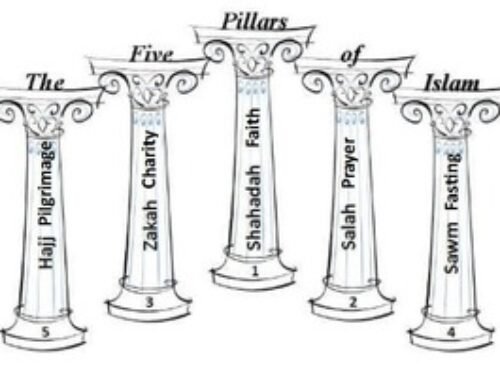
- Fasting (Sawm): Ramadan is primarily known for the obligatory fasting observed by Muslims during daylight hours. Fasting in Ramadan is one of the Five Pillars of Islam and is a means of spiritual purification, self-discipline, and self-control. Muslims refrain from eating, drinking, and other physical needs from dawn (Fajr) until sunset (Maghrib).
- Revelation of the Quran: Ramadan is believed to be the month during which the Quran, the holy book of Islam, was first revealed to the Prophet Muhammad by Allah through the angel Gabriel. This makes Ramadan a time for increased Quranic recitation, reflection, and connection with the divine message.
- Spiritual Reflection: Ramadan is a time for deep spiritual reflection and self-improvement. Muslims use this month to seek forgiveness for their sins, purify their hearts, and draw closer to Allah through acts of worship, prayer, and charity.
- Nightly Taraweeh Prayers: Muslims engage in special nightly prayers known as Taraweeh during Ramadan. These prayers involve the recitation of the Quran, with the goal of completing the entire Quran during the month. Many Muslims attend these congregational prayers to listen to the Quran being recited.
- Laylat al-Qadr: One of the most special and spiritually significant aspects of Ramadan is Laylat al-Qadr, the Night of Decree. This night, which falls within the last ten nights of Ramadan, is believed to be the night when the Quran was first revealed. It is a night of great blessings and mercy, and it is said that worship and prayers during this night are more powerful than a thousand months.
- Charity (Zakat and Sadaqah): Giving to those in need is highly emphasized during Ramadan. Muslims are encouraged to engage in acts of charity and generosity, both through obligatory almsgiving (Zakat) and voluntary donations (Sadaqah).
- Community and Family Bonding: Ramadan is a time when families and communities come together for iftar (the evening meal to break the fast) and suhoor (the pre-dawn meal). These gatherings foster a sense of unity and strengthen social bonds.
- Increased Reward: Muslims believe that good deeds and acts of worship are rewarded more generously during Ramadan. Therefore, the rewards for spiritual and charitable actions during this month are multiplied.
- Renewal of Intentions: Ramadan is an opportunity for Muslims to renew their intentions and make resolutions for self-improvement, including better moral and ethical conduct.
- Overall Sense of Spirituality: The atmosphere during Ramadan is marked by increased spirituality, worship, and devotion. Muslims feel a stronger connection to their faith, community, and Allah during this special month.
In summary, Ramadan is a profoundly special month in the Islamic calendar due to its emphasis on fasting, spiritual reflection, Quranic recitation, charity, community, and the opportunity for Muslims to draw closer to Allah and engage in acts of worship and self-improvement. It is a time of great significance and holds a central place in the hearts of Muslims worldwide.
Top of Form
What The Holy Quran Says About Ramadan
The Holy Quran, the central religious text of Islam, contains several verses that mention or allude to the significance of Ramadan and fasting during this month. Here are some key verses and their meanings:
- Quran 2:185: “The month of Ramadan [is that] in which was revealed the Quran, a guidance for the people and clear proofs of guidance and criterion. So whoever sights [the new moon of] the month, let him fast it; and whoever is ill or on a journey – then an equal number of days [are to be made up]. Allah intends for you ease and does not intend for you hardship and [wants] for you to complete the period and to glorify Allah for that [to] which He has guided you, and perhaps you will be grateful.”
This verse highlights the significance of Ramadan as the month during which the Quran was revealed. It emphasizes the obligation of fasting during this month as a means of gaining spiritual guidance and an opportunity for gratitude.
- Quran 2:187: “It has been made permissible for you the night preceding fasting to go to your wives [for sexual relations]. They are clothing for you and you are clothing for them. Allah knows that you used to deceive yourselves, so He accepted your repentance and forgave you. So now, have relations with them and seek that which Allah has decreed for you. And eat and drink until the white thread of dawn becomes distinct to you from the black thread [of night]. Then complete the fast until the sunset.”
This verse mentions the permissibility of engaging in marital relations during the nights of Ramadan and clarifies the timing of fasting from dawn to sunset.
- Quran 97:1-5: “Indeed, We sent the Quran down during the Night of Decree. And what can make you know what is the Night of Decree? The Night of Decree is better than a thousand months. The angels and the Spirit descend therein by permission of their Lord for every matter. Peace it is until the emergence of dawn.”
These verses refer to Laylat al-Qadr, the Night of Decree, which falls within the last ten nights of Ramadan and is described as a night of great significance, better than a thousand months. The Quran was revealed on this night, and it is a time of profound blessings and mercy.
- Quran 73:20: “Indeed, your Lord knows, [O Muhammad], that you stand [in prayer] almost two thirds of the night or half of it or a third of it, and [so do] a group of those with you. And Allah determines [the extent of] the night and the day. He has known that you [Muslims] will not be able to do it and has turned to you in forgiveness, so recite what is easy [for you] of the Quran. He has known that there will be among you those who are ill and others traveling throughout the land seeking [something] of the bounty of Allah and others fighting for the cause of Allah. So recite what is easy from it and establish prayer and give zakah and loan Allah a goodly loan. And whatever good you put forward for yourselves – you will find it with Allah. It is better and greater in reward. And seek forgiveness of Allah. Indeed, Allah is Forgiving and Merciful.”
This verse acknowledges the challenges of standing for extended night prayers, encourages recitation of the Quran, and emphasizes Allah’s forgiveness, mercy, and the importance of seeking His forgiveness.
These Quranic verses highlight the significance of Ramadan, fasting, and the Quran itself in the life of a Muslim. They emphasize the spiritual and moral guidance that Ramadan offers and its importance as a time of worship, reflection, and seeking Allah’s forgiveness and mercy.