5 Pillar of Islam
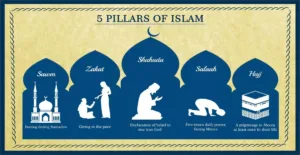
The Five Pillars of Islam are the five basic acts of worship that are considered mandatory for all Muslims to follow. These pillars are fundamental to a Muslim’s faith and practice:
- Shahada (Faith or Declaration of Faith): This is the first and most fundamental pillar of Islam. It is the declaration of the basic creed of Islam, which states, “There is no god but Allah, and Muhammad is the messenger of Allah.” By reciting the Shahada, a person bears witness to the oneness of God and the prophethood of Muhammad.
- Salat (Prayer): Muslims are required to perform five daily prayers facing the Kaaba in Mecca. These prayers are performed at specific times throughout the day and night and involve a set sequence of physical movements and recitations. The five daily prayers are Fajr (dawn), Dhuhr (midday), Asr (afternoon), Maghrib (evening), and Isha (night).
- Zakat (Almsgiving or Charity): Muslims are obligated to give a portion of their wealth to those in need, typically 2.5% of their savings and investments, annually. Zakat is intended to help the less fortunate and those in need, and it is an important aspect of social justice in Islam.
- Sawm (Fasting): During the month of Ramadan, Muslims are required to fast from sunrise (Fajr) to sunset (Maghrib). This fasting includes abstaining from food, drink, and other physical needs during daylight hours. The purpose of fasting is to develop self-discipline, increase spirituality, and show empathy for those who are less fortunate.
- Hajj (Pilgrimage): The Hajj is a pilgrimage to the holy city of Mecca in Saudi Arabia that every Muslim who is physically and financially able must undertake at least once in their lifetime. It is one of the largest annual gatherings of people in the world. The Hajj involves a series of rituals, including circumambulating the Kaaba, standing at the plain of Arafat, and other symbolic acts, all of which trace the actions of the Prophet Abraham and his family.
These Five Pillars are the foundation of Islamic practice and guide the daily life and spiritual devotion of Muslims around the world. They represent the core beliefs and practices that define the faith of Islam.
pillars of Islam mean?
The term “Pillars of Islam” refers to the fundamental and essential practices and beliefs in Islam that serve as the foundation of a Muslim’s faith and way of life. These pillars are the most important and obligatory aspects of being a practicing Muslim. They include the following:
- Shahada (Faith):
- Salat (Prayer):
- Zakat (Almsgiving or Charity):
- Sawm (Fasting):
- Hajj (Pilgrimage):
These pillars represent the core beliefs and practices in Islam, and they are considered the fundamental acts of worship and devotion that shape the life of a Muslim. They are often referred to as the “Five Pillars of Islam” because of their central and foundational role in the religion.
five pillars of Islam?
The Five Pillars of Islam are the five basic acts of worship and principles that are considered the foundation of a Muslim’s faith and practice. These pillars are fundamental to a Muslim’s belief and way of life. They are:
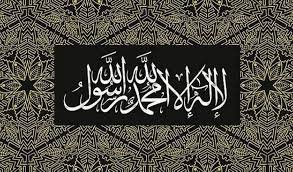
1- Shahada (Faith): Indeed, the first of the Five Pillars of Islam is Shahada, which is the declaration of faith. The Shahada is a concise statement of belief and serves as the foundational creed of Islam. It consists of two parts:
La ilaha illallah (لَا إِلٰهَ إِلَّا اللهُ): This part affirms the belief in the oneness of God (Allah). It means “There is no god but Allah” and signifies the central monotheistic belief in Islam.
Muhammadur Rasulullah (مُحَمَّدٌ رَسُولُ ٱللَّٰهِ): This part acknowledges the prophethood of Muhammad. It means “Muhammad is the messenger of Allah” and acknowledges that Muhammad is the final prophet sent by God to guide humanity.
By reciting the Shahada, a person publicly bears witness to these two fundamental beliefs. It is the declaration of faith that one must make to become a Muslim, and it remains a central part of a Muslim’s daily life and spiritual identity. It signifies the oneness of God and the acceptance of Muhammad as His messenger.
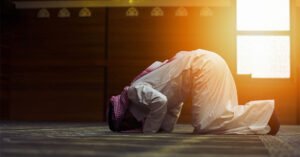
2-Salat (Prayer): The second of the Five Pillars of Islam is Salat, which refers to the act of prayer. Salat is a fundamental practice in Islam and involves the performance of ritual prayers at specific times throughout the day. Here are some key aspects of Salat:
Muslims are required to perform five daily prayers, which are spread throughout the day and night. These prayers are known as:
- Fajr: The pre-dawn prayer.
- Dhuhr: The midday prayer.
- Asr: The afternoon prayer.
- Maghrib: The evening prayer, performed just after sunset.
- Isha: The night prayer, performed after twilight has disappeared.
Posture and Ritual: During each prayer, Muslims follow a specific set of physical movements, recitations, and postures, including standing, bowing, prostrating, and sitting. These rituals are performed facing the Kaaba in Mecca.
Spiritual Connection: Salat is a means of establishing a direct and intimate connection with God (Allah). It is a time for supplication, reflection, and devotion. Muslims recite verses from the Quran and seek God’s guidance and forgiveness.
Community and Congregational Prayers: While it is recommended to pray in congregation at the mosque, Muslims can also pray individually. Friday noon prayer (Jumu’ah) is a congregational prayer that holds special significance.
Salat is a central and highly regarded practice in Islam. It serves as a daily reminder of a Muslim’s faith, and it helps maintain a strong connection with God and a sense of discipline and spirituality in their daily lives.

3-Zakat (Almsgiving or Charity): The third of the Five Pillars of Islam is Zakat, which refers to the practice of almsgiving or charity. Zakat is an obligatory act of charity that holds significant importance in Islamic teachings. Here are the key aspects of Zakat:
Obligatory Giving: Zakat is a mandatory form of charity, and Muslims who meet specific financial criteria are required to give a portion of their accumulated wealth and assets to those in need. This act of giving is meant to promote social and economic justice.
Wealth Redistribution: Zakat serves as a means of wealth redistribution, ensuring that resources are distributed more equitably in society. It is not viewed as voluntary charity but as a financial obligation imposed on those who have the means to pay.
Eligibility Criteria: Muslims who meet certain financial criteria are obliged to pay Zakat. This typically includes owning wealth and assets above a specific minimum threshold (Nisab) and maintaining it for an entire lunar year.
Amount: The standard Zakat rate is 2.5% of one’s eligible wealth and assets, which may include savings, investments, gold, and other valuables. This amount is calculated and given annually.
Recipients: Zakat is distributed to specific categories of recipients, as outlined in the Quran. This includes the poor, the needy, those in debt, those working to establish Islam, and others in need. It is not meant for the rich or for general charitable causes.
Time of Giving: Zakat can be given at any time of the year, but many Muslims choose to give it during the holy month of Ramadan, as the rewards for charitable acts are believed to be multiplied during this time.
Zakat is a central element of Islamic social and economic ethics. It emphasizes the importance of caring for the less fortunate and promoting social welfare and justice through the redistribution of wealth among the Muslim community. It helps maintain a balance between those who have and those who are in need.

4-Sawm (Fasting): The fourth of the Five Pillars of Islam is Sawm, which refers to the practice of fasting. Fasting in Islam is primarily associated with the observance of fasting during the month of Ramadan, although there are other voluntary fasts as well. Here are the key aspects of Sawm:
Fasting During Ramadan: The most well-known form of fasting in Islam is the observance of fasting during the month of Ramadan, which is the ninth month of the Islamic lunar calendar. During this month, Muslims fast from dawn (Fajr) until sunset (Maghrib).
Abstinence: Fasting during Ramadan involves abstaining from food, drink, and other physical needs (including smoking and marital relations) from sunrise to sunset. However, Muslims are encouraged to have a pre-dawn meal (Suhoor) before Fajr and to break their fast at sunset with a meal called Iftar.
Spiritual Reflection: Fasting is not only a physical act but also a spiritual one. It is a time of self-discipline, self-control, and increased devotion. Muslims use this time to reflect on their faith, seek forgiveness, and draw closer to God.
Community and Solidarity: Fasting during Ramadan is a communal practice observed by Muslims around the world. It fosters a sense of solidarity and empathy with those who are less fortunate and do not have enough to eat regularly.
Voluntary Fasts: In addition to Ramadan, there are other voluntary fasts that Muslims can observe, such as fasting on Mondays and Thursdays, the white days (13th, 14th, and 15th of each lunar month), and fasting on specific days in the Islamic calendar, like the Day of Arafat.
Exemptions: There are exemptions from fasting for certain categories of individuals, including children, the elderly, pregnant or nursing women, travelers, and those who are ill. However, those who are exempt often make up missed fasts at a later time.
Fasting is a significant act of worship in Islam, and it serves as a means of purification, self-improvement, and spiritual growth. Ramadan, in particular, is a special and blessed time when Muslims intensify their religious practices and increase their charitable acts and prayers.
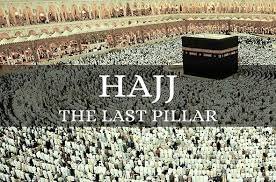
5-Hajj (Pilgrimage): The fifth and final of the Five Pillars of Islam is Hajj, which is the pilgrimage to the holy city of Mecca. Here are the key aspects of Hajj:
Obligatory Pilgrimage: Hajj is an obligatory religious duty for Muslims who are physically and financially able to undertake the journey. It must be performed at least once in a Muslim’s lifetime. It is one of the Five Pillars of Islam and is considered a major act of worship and devotion.
Pilgrimage Site: Hajj takes place in the holy city of Mecca, located in Saudi Arabia. The focal point of the pilgrimage is the Kaaba, a sacred black cube-shaped structure within the Masjid al-Haram (the Grand Mosque).
Rituals and Activities: Hajj involves a series of rituals and acts of worship, which include:
- Tawaf: Circumambulating the Kaaba seven times in a counter-clockwise direction.
- Sa’i: Walking or running seven times between the hills of Safa and Marwah.
- Wuquf at Arafat: Standing at the plain of Arafat in deep supplication and reflection.
- Muzdalifah: Spending the night at Muzdalifah.
- Stoning the Devil: Throwing pebbles at three pillars representing Satan.
- Sacrifice: Offering an animal sacrifice as an act of obedience to God.
- Shaving or Trimming: Cutting one’s hair, symbolizing purity and humility.
Spiritual Journey: Hajj is not just a physical journey but also a profound spiritual one. It is an opportunity for Muslims to seek forgiveness, repent for their sins, and come closer to God. It is a time for deep reflection, prayer, and self-purification.
Unity of Muslims: Hajj is a time when millions of Muslims from around the world gather in Mecca, regardless of their nationality, ethnicity, or social status. It symbolizes the unity of the Muslim ummah (community) and the equality of all Muslims before God.
Arafat Day: The day of Wuquf at Arafat is considered the most important day of Hajj. It is believed that on this day, God forgives the sins of those who sincerely seek His forgiveness.
Hajj is a deeply significant and sacred act of worship in Islam. It emphasizes the themes of unity, submission to God, and seeking His forgiveness. The experience of Hajj is a life-changing one for many Muslims and is a testament to the central importance of this pillar in the Islamic faith.
five pillars of Islam important
The Five Pillars of Islam are of utmost importance in the Islamic faith for several reasons:
- Foundation of Faith: They form the core beliefs and practices of Islam and provide the foundation of a Muslim’s faith and way of life. These pillars represent the basic tenets and obligations that every Muslim must follow.
- Spiritual Connection: The Five Pillars help maintain a strong spiritual connection between the individual and God (Allah). They provide a means of direct worship, reflection, and devotion, fostering a sense of inner peace and spiritual growth.
- Unity and Community: The Five Pillars of Islam create a sense of unity among Muslims worldwide. They serve as common practices that bind the global Muslim community, regardless of cultural, linguistic, or ethnic differences.
- Social and Moral Values: These pillars promote important social and moral values such as compassion, charity, discipline, humility, and empathy. They encourage Muslims to engage in acts of charity, self-discipline, and self-improvement.
- Guidance for Daily Life: The Five Pillars guide a Muslim’s daily life, helping them make ethical choices, uphold their faith, and maintain a sense of moral and ethical integrity in all aspects of life.
- Identity and Belonging: Observing the Five Pillars helps Muslims build a strong sense of identity and belonging within their faith community. They signify the shared beliefs and practices that define a Muslim’s identity.
- Spiritual Growth: The observance of these pillars can lead to personal growth and self-improvement. Through practices like fasting and prayer, Muslims can develop discipline and spiritual awareness, fostering a sense of moral and ethical maturity.
- Remembrance of God: The daily rituals and practices of the Five Pillars keep God at the forefront of a Muslim’s mind and life. They serve as constant reminders of the importance of faith and obedience to God’s guidance.
- Preparation for the Hereafter: Belief in and observance of the Five Pillars are believed to be essential for a Muslim’s salvation in the hereafter. They are considered acts of devotion that lead to God’s mercy and forgiveness.
In summary, the Five Pillars of Islam are not just religious rituals but essential components of a Muslim’s identity and way of life. They serve as a means of worship, a source of ethical guidance, and a framework for social and spiritual growth, connecting Muslims to their faith and community while preparing them for the hereafter.